
Your Complete Step-by-Step Resource for Proper Removal
Understanding When Tree Removal Is Necessary
Determining whether a tree requires removal involves careful assessment of several critical factors. Trees that pose safety risks due to structural instability, severe disease, or proximity to structures often necessitate professional intervention. In Oklahoma, where severe weather patterns including high winds and ice storms are common, compromised trees can become hazardous quickly.
Key indicators that signal the need for removal include extensive trunk decay, significant lean toward structures, dead or dying branches throughout the canopy, root damage from construction or disease, and fungal growth at the base. Trees damaged by lightning strikes or those with splits in major limbs also warrant immediate evaluation. Property owners should also consider removal when trees interfere with utility lines, obstruct driveways, or cause foundation damage through aggressive root systems.
Timing matters considerably in the decision-making process. While some situations demand immediate action, others allow for seasonal planning. Winter months often provide ideal conditions for removal work, as deciduous trees are dormant and the ground may be frozen, reducing landscape damage from heavy equipment. However, emergency situations such as storm damage require prompt response regardless of season. Professional assessment ensures you make informed decisions based on tree health, location, and potential risks to people and property.
Essential Safety Preparations Before Beginning
Proper safety preparation forms the foundation of any successful removal project. Before beginning work, establish a safety perimeter extending at least two tree lengths in all directions. This buffer zone protects bystanders and property from falling branches or unexpected directional changes during the felling process. Clear the area of vehicles, outdoor furniture, garden equipment, and anything that could sustain damage or impede escape routes.
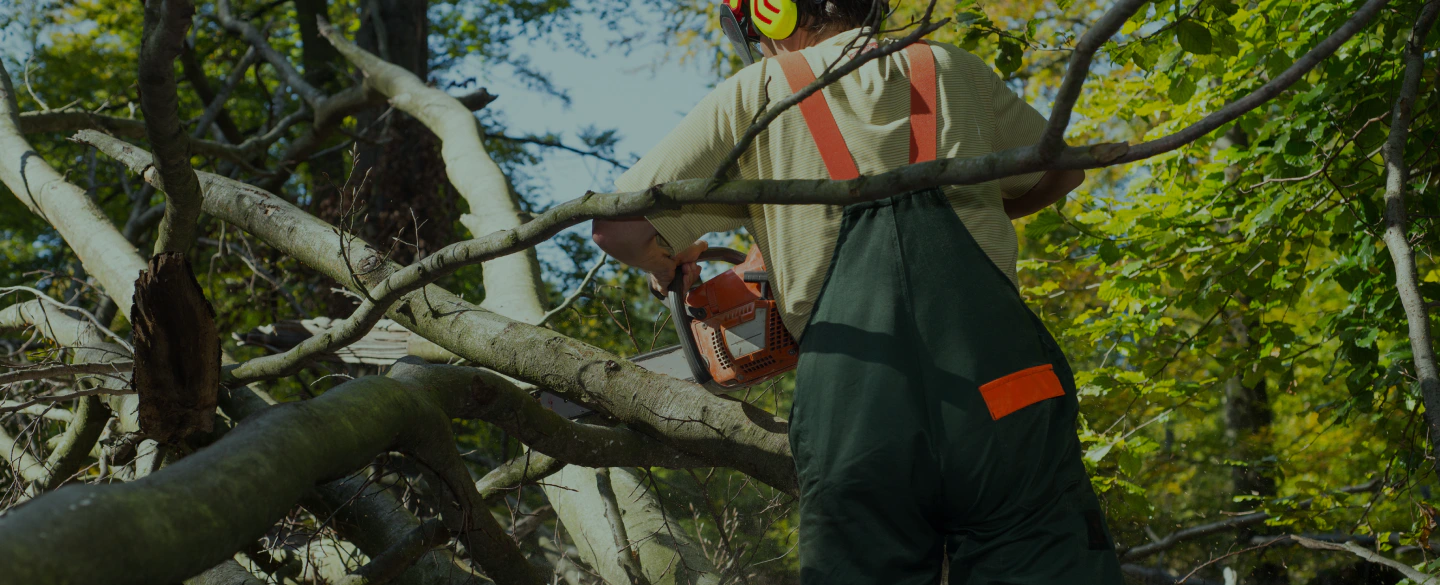
Personal protective equipment is non-negotiable for anyone involved in the removal process. Essential gear includes OSHA-approved hard hats, safety glasses with side shields, hearing protection, cut-resistant gloves, steel-toed boots, and high-visibility clothing. For professionals using chainsaws, chaps with cut-resistant material provide critical leg protection. Weather conditions also factor into safety preparations. Avoid working during high winds, rain, or storms, as these conditions drastically increase the risk of accidents and make controlling the fall direction nearly impossible.
Utility location represents another critical safety step. Contact your local utility companies or dial 811 at least three business days before beginning work to have underground lines marked. Overhead power lines pose even greater risks. Any tree within ten feet of power lines requires professional handling by trained personnel with proper equipment and utility company coordination. Insurance verification also falls under safety preparation. Confirm that workers carry adequate liability coverage and workers’ compensation insurance to protect your property and avoid potential legal complications should accidents occur.
Step-by-Step Removal Techniques and Methods
Professional removal follows systematic approaches tailored to each tree’s unique characteristics and surrounding environment. The directional felling method works best for trees in open spaces with adequate clearance. This technique involves creating precise cuts that control the tree’s fall direction. The process begins with a notch cut on the side facing the intended fall direction, typically at a 45-degree angle and extending about one-third through the trunk. A felling cut from the opposite side, slightly above the notch, creates a hinge that guides the tree’s descent.
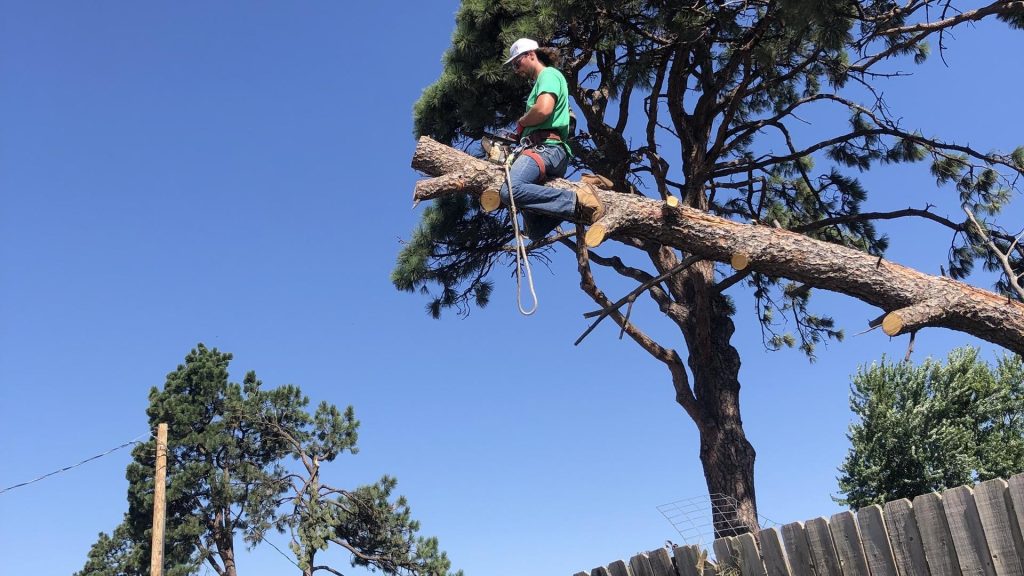
For trees in confined spaces or near structures, sectional removal provides greater control. This method involves climbing the tree and removing it in manageable pieces from top to bottom. Climbers secure themselves with safety harnesses and ropes, then systematically cut and lower branches and trunk sections using rigging systems. This approach prevents damage to nearby structures, landscaping, and utilities. In situations with extremely limited access or high-value property nearby, crane-assisted removal offers the safest solution. The crane operator and ground crew coordinate to lift and precisely place each section away from sensitive areas.
The technical aspects of cutting technique significantly impact both safety and efficiency. Proper chain saw operation requires maintaining sharp chains, correct bar oil levels, and appropriate chain tension. Cut angles and depth must account for tree diameter, lean, and wood density. Understanding wood fiber behavior prevents dangerous situations like barber chairing, where the tree splits vertically up the trunk during felling. In Oklahoma’s clay-heavy soils, root systems often extend wider than anticipated, affecting stability during cutting. Professional crews assess these factors before making the first cut, adjusting their approach based on real-time observations of how the tree responds to initial cuts.
Stump Removal and Site Cleanup Best Practices
Stump removal completes the tree elimination process and prevents future complications. Grinding represents the most common and efficient stump removal method. Specialized stump grinders use rotating cutting disks with carbide teeth to chip away wood below ground level, typically 6 to 12 inches deep. This depth prevents sprouting and allows for lawn restoration or replanting. The grinding process produces substantial wood chips that can be used as mulch in garden beds or removed from the site based on your preferences.
Alternative removal methods include chemical decomposition and complete extraction. Chemical stump removers accelerate natural decay by introducing compounds that break down wood fibers over several months. This passive approach works well when timing is not critical and the stump is not in a high-traffic area. Complete extraction using heavy equipment removes the entire stump and root ball, creating a larger hole that requires significant backfilling. This method is necessary when replanting in the exact location or when root systems threaten underground utilities or structures.
Thorough site cleanup transforms the work area back to its original condition and demonstrates professional service quality. This process involves removing all branches, logs, and debris from the property. Wood chips from grinding should be spread evenly if used as mulch or hauled away completely. Fill the depression left by the stump with quality topsoil, mounding slightly to account for settling. For lawn areas, seed or sod installation restores the landscape. Professional crews also inspect surrounding areas for any incidental damage to lawn, garden beds, or hardscaping, addressing these issues before considering the job complete. The final walk-through ensures no debris remains in gutters, on roofs, or in landscaping where it could cause problems later.
Working with Professional Tree Services
Selecting qualified professionals ensures your removal project proceeds safely and successfully. Licensed arborists bring specialized training, proper equipment, and insurance coverage that protect both workers and property owners. When evaluating potential service providers, verify their credentials including state licensing, liability insurance, and workers’ compensation coverage. Request references from recent projects similar to yours and check online reviews for consistent service quality indicators.
Detailed written estimates prevent misunderstandings and provide cost transparency. Quality proposals specify the scope of work, including which trees or branches will be removed, stump grinding depth, debris removal, and site cleanup expectations. The estimate should itemize costs for each service component and identify any additional charges for challenging access, disposal fees, or unforeseen complications. Reputable providers offer free on-site evaluations where they assess the tree, discuss your concerns, and explain their recommended approach before committing to services.
For residents throughout western Oklahoma, selecting a provider with deep local knowledge offers distinct advantages. Trees face unique stresses in this region, from summer heat exceeding 100 degrees to winter ice storms that snap branches and topple weakened specimens. Clay soils that expand and contract with moisture changes affect root stability differently than in other areas. Spring storm season brings high winds and tornadic activity that create emergency situations requiring rapid response. A second-generation tree care operation brings decades of experience navigating these regional challenges while maintaining the highest safety and service standards. Whether addressing a hazardous leaning tree, clearing land for development, or removing storm-damaged specimens, professional crews deliver results that protect your property investment and restore your landscape to its full potential. Free on-site estimates allow property owners to make informed decisions about their tree care needs without financial pressure, ensuring the recommended solutions align with both safety requirements and budget considerations.
Frequently Asked Questions
1. How do I know if a tree on my property actually needs to be removed?
Several indicators signal that a tree requires removal rather than trimming or treatment. Look for significant structural issues like large cracks in the trunk, severe lean toward buildings or power lines, or more than 50 percent dead branches throughout the canopy. Extensive decay at the base, visible cavities in the trunk, or mushroom growth around roots indicate internal rot that compromises stability. Trees with root damage from construction, those struck by lightning, or specimens with major limbs that have split also warrant professional evaluation. In Oklahoma, where ice storms and high winds are common, trees already weakened by disease or age become hazardous quickly. If you notice any of these warning signs, schedule an assessment with a licensed arborist who can determine whether removal is the safest course of action for your property.
2. What causes a tree removal project to cost more than the initial estimate?
Several factors can increase removal costs beyond basic estimates. Difficult access requiring specialized equipment or hand-carrying debris through narrow pathways adds labor time and complexity. Proximity to structures, power lines, or valuable landscaping necessitates more careful sectional removal rather than straightforward felling, which takes considerably longer. Hidden decay discovered during cutting may require adjusting the removal strategy mid-project for safety reasons. Stump grinding depth, root system complexity, and disposal fees for large volumes of wood also affect final costs. Reputable providers conduct thorough on-site evaluations before providing detailed written estimates that account for these variables. Quality proposals itemize each service component and clearly identify any potential additional charges, so you understand exactly what you are paying for before work begins.
3. When should I schedule tree removal instead of waiting until spring or summer?
Timing depends on both the tree’s condition and practical considerations. Emergency situations like storm damage, trees leaning dangerously toward structures, or specimens with major limbs that have failed require immediate attention regardless of season. For non-emergency removals, winter often provides ideal conditions since deciduous trees are dormant and frozen ground minimizes lawn damage from heavy equipment. Visibility is also better without foliage, allowing crews to assess branch structure more accurately. However, avoid scheduling during ice or snow events that create dangerous working conditions. If a tree shows progressive decline, disease spread, or increasing instability, waiting for a preferred season may increase risk to your property. Schedule a professional evaluation as soon as you notice concerning changes, and let experienced arborists recommend the safest timing based on the specific situation and local weather patterns.
4. Is it worth it to pay for professional stump grinding after removing a tree?
Stump grinding delivers several valuable benefits that justify the investment for most property owners. Leaving stumps creates tripping hazards, attracts wood-boring insects, and produces unsightly sprouts that require ongoing maintenance. Stumps also prevent lawn mowing, landscaping installation, or construction in that area. Professional grinding removes the stump 6 to 12 inches below ground level, eliminating sprouting and allowing you to restore lawn or plant new specimens in the same location. The wood chips produced can be used as mulch or removed entirely based on your preferences. While chemical decomposition offers a lower-cost alternative, it takes months to work and leaves the stump visible during that period. Complete extraction removes the entire root ball but creates a much larger hole requiring extensive backfilling. For most residential situations, grinding provides the best balance of cost, speed, and finished appearance.
5. What’s the difference between directional felling and sectional removal techniques?
These methods address different spatial constraints and risk levels. Directional felling works for trees in open areas with adequate clearance in all directions. The arborist creates precise notch and felling cuts that control the tree’s fall direction, allowing the entire trunk to come down in one controlled motion. This approach is faster and more cost-effective when space permits. Sectional removal is necessary for trees near structures, power lines, or in confined spaces where there is insufficient room for the tree to fall safely. Climbers ascend the tree using safety harnesses and ropes, then systematically cut and lower branches and trunk sections from top to bottom using rigging systems. This method provides complete control over where each piece lands, preventing damage to surrounding property. While sectional removal takes longer and costs more due to the technical skill and equipment required, it is the only safe option in many residential settings where homes, fences, or utilities are nearby.
